A website for a campervan or RV rental fleet built around multi day trips, not single day hires

A campervan or RV rental site succeeds by making a multi day trip easy to picture and easy to plan for, with clear pages for mileage allowances, equipment included and one way or delivery options, because that is what a renter is actually deciding between before they request a reservation.

What usually goes wrong for campervan and rv rental

  • The site lists vehicles by size alone with no page explaining what gear, bedding or kitchen equipment is actually included.

  • There is no clear page on mileage allowances or generator and propane policies, so renters ask the same questions on every call.

  • One way rentals and delivery to a campsite are offered but never explained anywhere on the site.

  • The fleet looks the same in every photo: parked in a lot, with no sense of the trip a renter is actually planning.

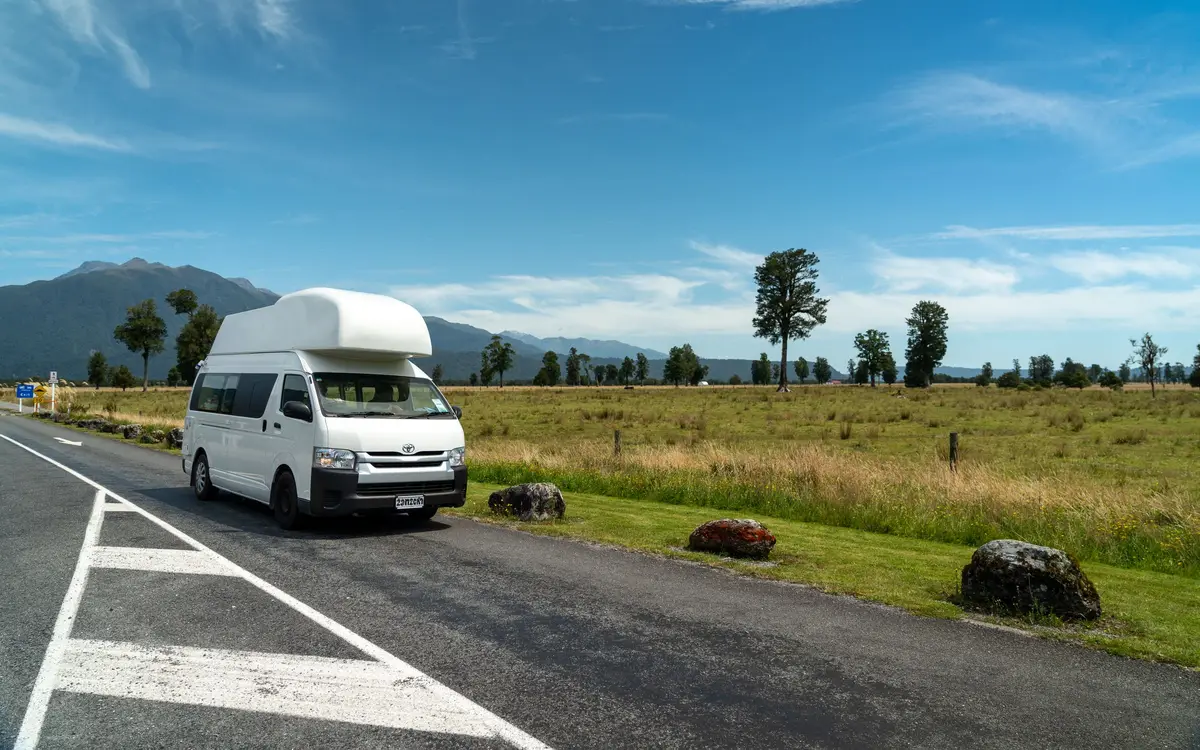
A white high roof campervan parked on the shoulder of an empty country road, with open grassland, scattered trees and blue mountains behind it.
A high roof campervan pulled over on an open country road.Photo by Donovan Kelly on Pexels. Pexels licence, free to use. Illustrative, not a client fleet.

The pages your site will carry

  1. 1Home
  2. 2Fleet by class and sleeping capacity
  3. 3Included equipment and add ons
  4. 4Mileage and usage policy
  5. 5One way and delivery options
  6. 6Seasonal availability
  7. 7Contact
  8. 8Reservation request

What the first month looks like

Three beats, specific to campervan and rv. The site is live in 7 days on the first plan, and this is what changes after that.

  1. 1Week one: the equipment list finally existsEvery class page gets a written list of what actually comes with the van: bedding, kitchen gear, awning, chairs, whatever you provide. This is the single most asked question before a multi day booking and on most sites it is nowhere.
  2. 2Week two: mileage and usage stop being a phone callA policy page covers mileage allowances and any rules on generators, propane or unsealed roads, written from your terms. Renters arrive at the reservation stage already knowing, and your team stops retyping the same paragraph.
  3. 3Month one: trips get planned on the siteOne way routes, delivery to a campsite and seasonal minimum stays each get a page, so a renter can plan the shape of a trip before they ask whether it is possible.

Campervan and RV demand in the United States follows the parks and the road trips: Colorado, Utah and Arizona for the desert and mountain corridor, California for the coast and the Sierra, and Florida for the winter season. Location pages for the counters nearest those routes are usually the first pages to earn traffic.

Reservation request flow

Asks for trip length, pickup and drop off location, vehicle class and any add on equipment, so a multi day request arrives with everything your team needs to quote it.

Three ways to run it

Showroom

The website, fully managed, live in 7 days.

Flagship

Everything, plus the Content Engine, live in 15 days.

Compare the plans

In a client's words

A named review from a rental business we have built for.

  • The part I rate most highly is the form, not the visuals. The form gathers travel dates, passenger count and intended route at the start, exactly the details our follow-up messages always requested. Most mornings I can prepare for the callback from the first message alone.

    Inquiry form and response workflow for touring vehicle requests

    Sunitha ReddyOwner, converted van hire specialistTacoma, WA
Built to hold 90+ PageSpeed

Why we build these pages to be fast

A faster page can lower what you pay for a click, and it keeps more of the visitors you have already paid for. Here is the mechanism, in plain words, with the sources attached.

  • You already paid for the click

    A visitor who taps your ad on a phone with two bars of signal and waits for a heavy page is a click you have been charged for and a renter you never met. Speed is not a technical score here, it is how much of what you already spend actually reaches the fleet.

  • What Google actually says

    Google says ad quality and landing page are one of the six factors behind Ad Rank, and that higher quality ads can often lead to lower costs per click. A faster, more relevant landing page can lower what you pay for the same click. It is not a guarantee, and nobody can promise a figure.

  • The same pages have to rank

    Google Search Central states that Core Web Vitals are used by its ranking systems, alongside the rest of page experience. The page a renter lands on from an ad is usually the same page you want ranking without one, so the work counts twice.

  • Photography is the hard part, and it is the point

    A rental page lives on photography, which is exactly what makes most of them slow. Images are compressed and served in modern formats automatically, fonts never block the page, and every page we add follows the same budget as the first, so the 90+ PageSpeed target holds as the fleet grows.

Sources: Google Ads Help, "About Ad Rank", checked September 21, 2026. Google Search Central, "Understanding page experience in Google Search results", checked September 21, 2026. We state the mechanism, never a promised cost per click, position or ranking.

Questions from campervan and rv rental

Can the site list what equipment comes with each vehicle?

Yes. Each fleet class page carries an included equipment list, such as bedding, kitchen gear or awnings, written from what you actually provide so renters are not guessing before they book.

Does the site explain mileage and generator or propane policies?

A dedicated policy page covers mileage allowances and any usage rules you set for generators, propane or off road use, written in plain terms rather than left for a phone call.

Can renters request a one way trip or delivery to a campsite through the site?

Yes. The reservation flow includes a field for a different drop off location or a delivery request, and a page explains which routes or areas you support and any extra terms that apply.

Does the site handle seasonal minimum stay requirements?

A seasonal availability page explains any minimum hire periods or blackout dates you set for peak travel season, so the terms are visible before someone starts a reservation request rather than after.

See it built for campervan and rv

A live walk-through, on your screen, of the site you would get. $697 build fee, invoiced only after launch, and 5 change requests a month once you are live.